China's Next Chapter — Where Does Thailand Stand?
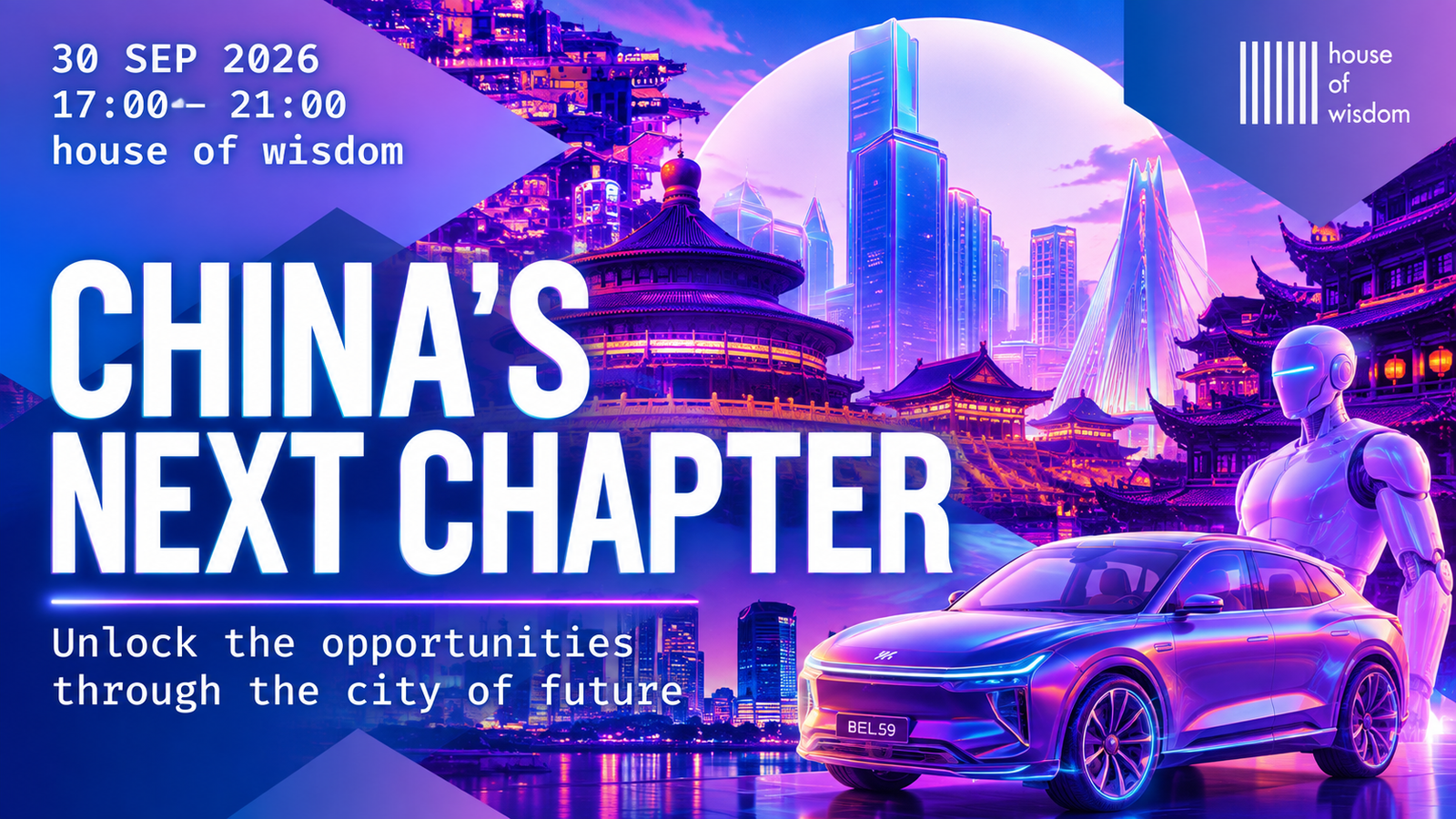
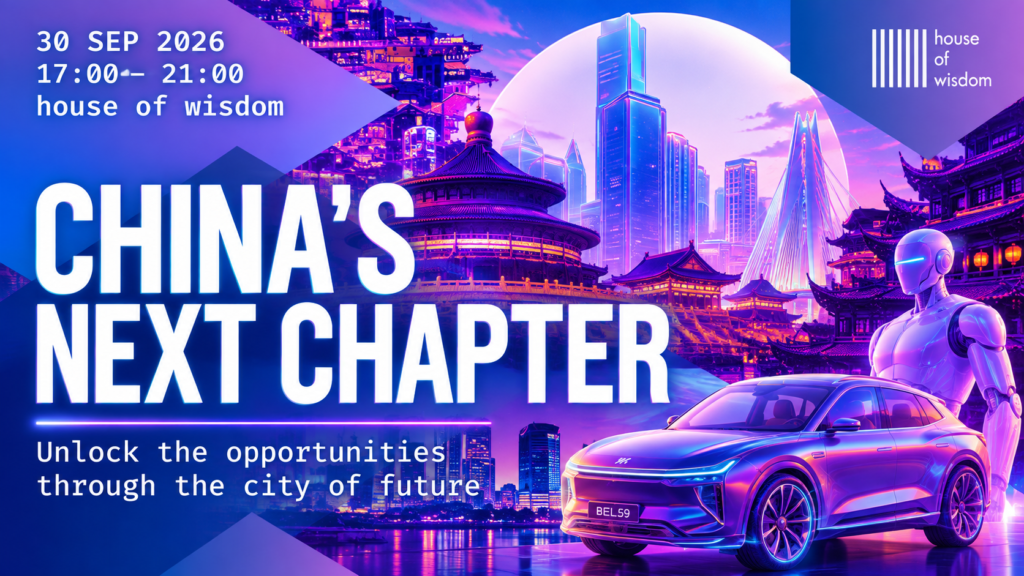
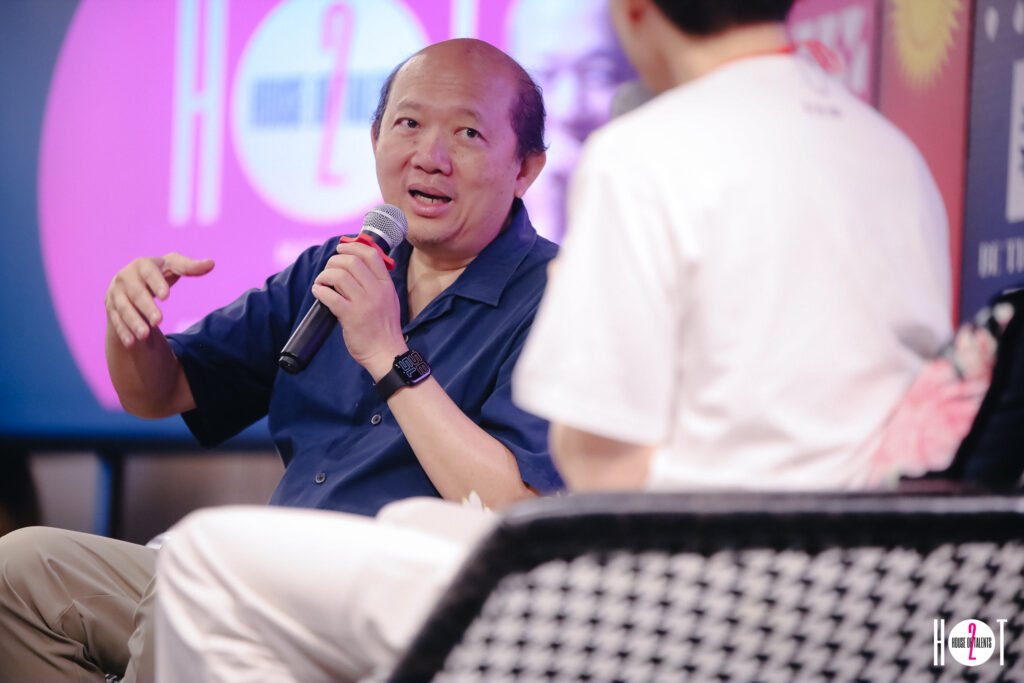
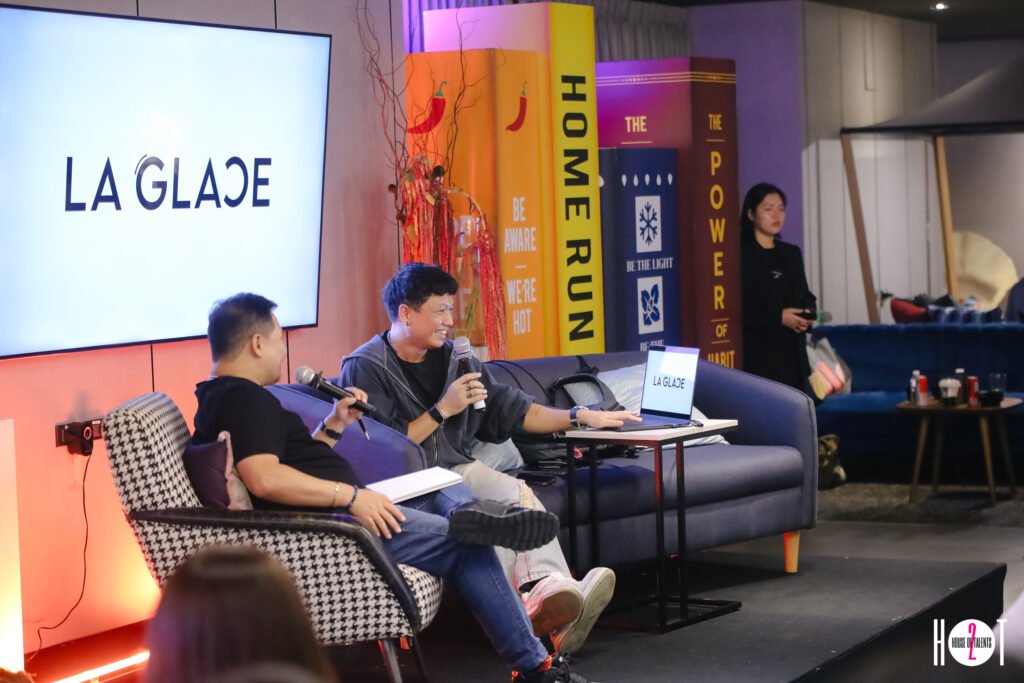
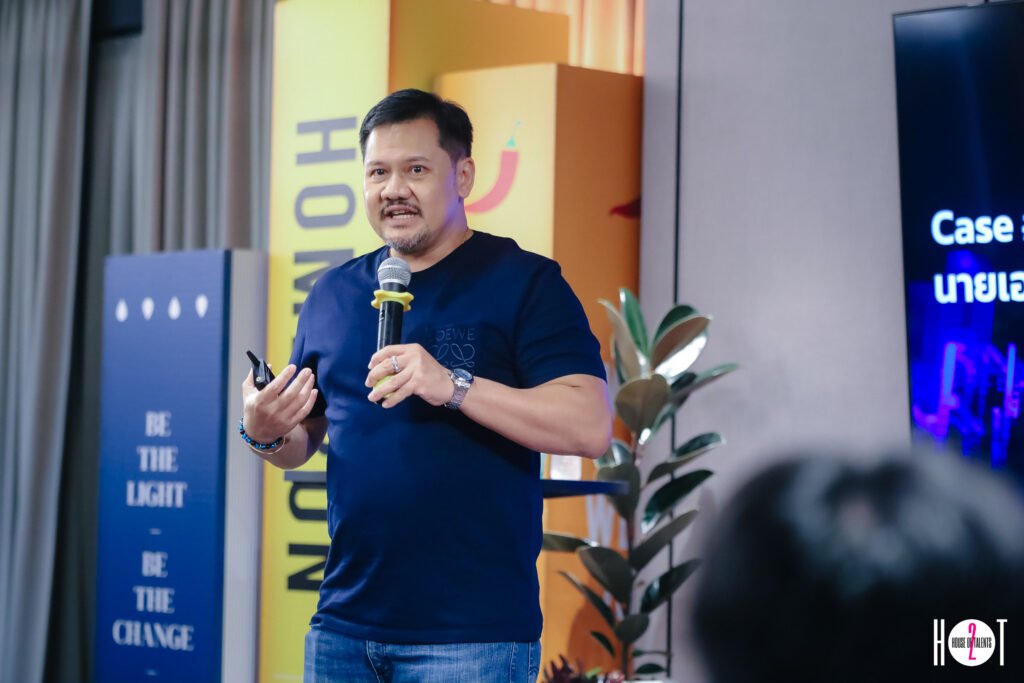
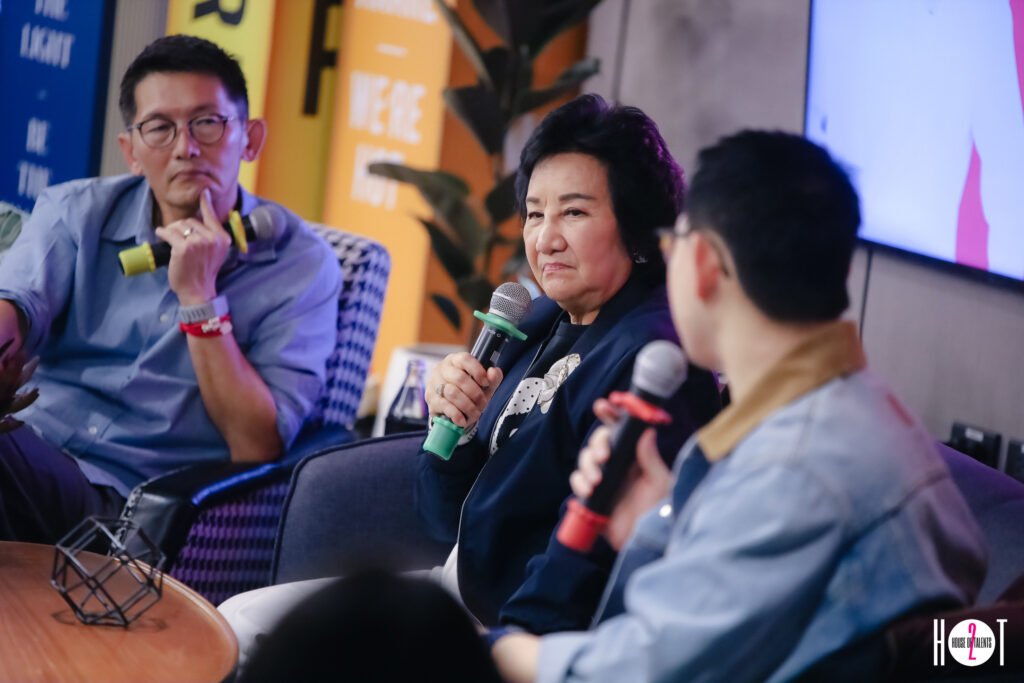
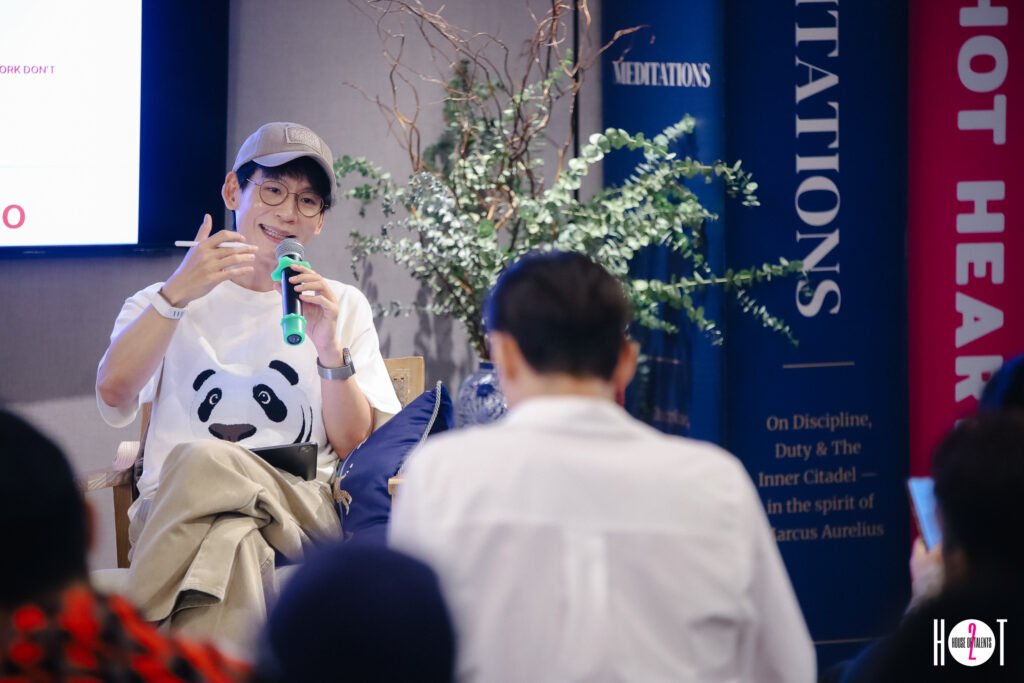
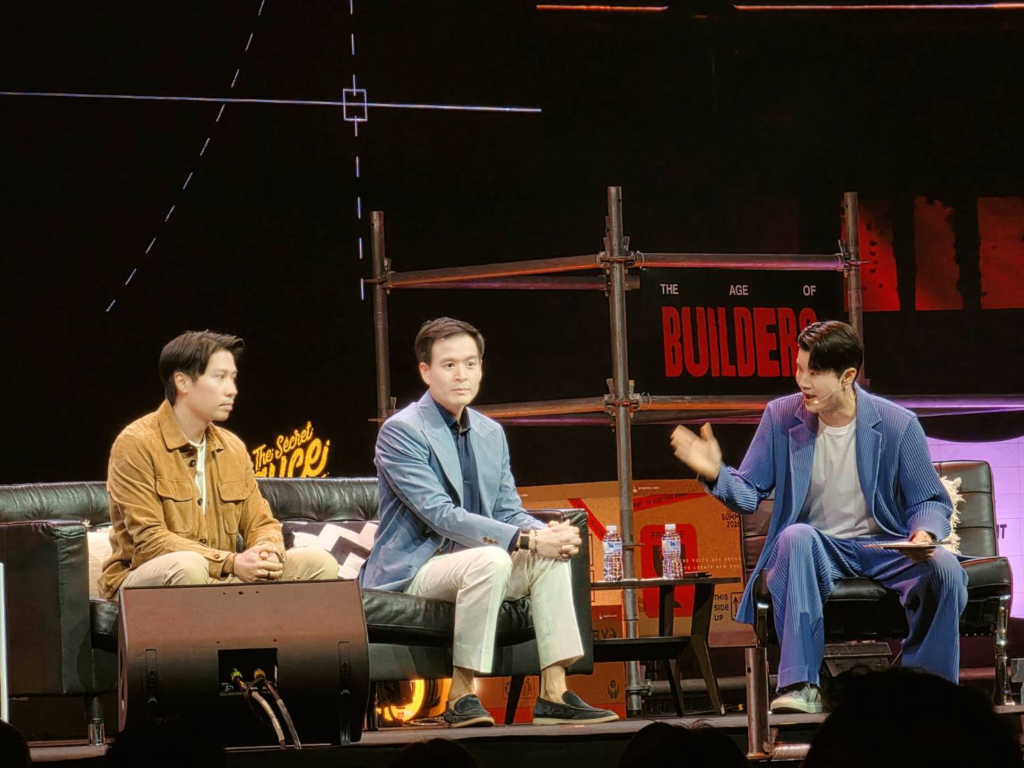
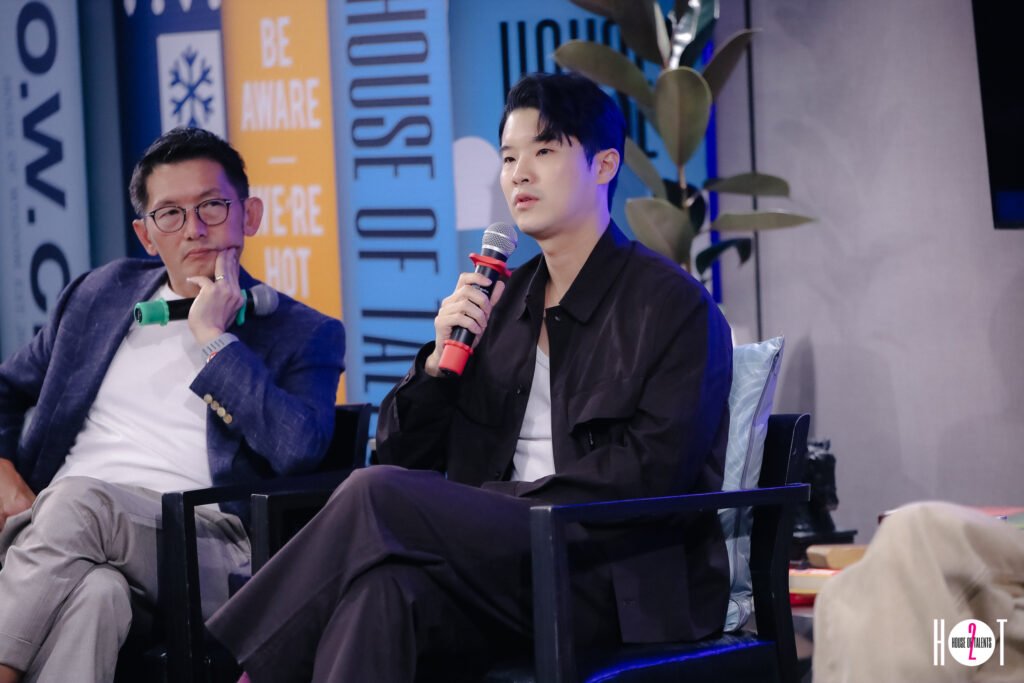
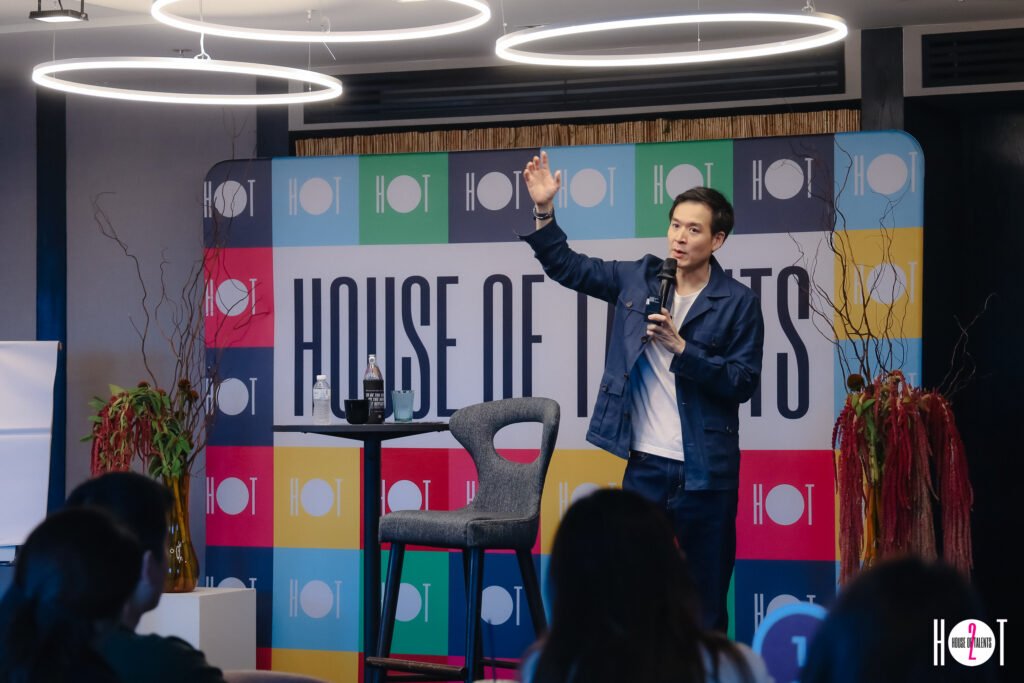
I had the chance to drop by China’s Next Chapter: Unlock the Opportunities through the City of Future at House of Wisdom.
It wasn't a long event — a little over 2 hours — but it covered a lot: EV, Flying Cars, Robotics, AI, all the way to investment and business opportunities between Thailand and China.
I didn't stay for the whole thing, haha, but quite a few points stuck with me, so here's a summary of what I took home.
1. China isn't just changing "cars" — it's changing the whole system of Mobility
The first part of the event talked a lot about the auto industry, from EVs and Smart Cars to Flying Cars.
What's interesting is that they no longer see the future car as just a vehicle to get from A to B.
The car is becoming a giant Smart Device that's more and more connected to our lives — through Software, AI, Energy and all kinds of services.
As for Flying Cars, which many of us still think of as Sci-Fi, the technology is actually starting to show up. But the big question isn't only "Can we build it yet?"
Laws, licences, take-off and landing points, Infrastructure and a Business Ecosystem all have to happen at the same time before it can be used widely.
It made me think that sometimes Technology moves faster than the systems around it.
2. Robotics + AI are moving from "following orders" to more flexible work
Another big topic was Robotics.
Today, factory robots are great at precision work, but most are still designed or programmed for one specific job.
One question I found really interesting was:
When will ordinary people be able to instruct a Robot the way they'd instruct a person?
No need to be a Software Developer or rewrite a program every time — just say what you want, and it understands and adapts to do the job.
The speakers believe Physical AI is heading in that direction, and talked about a time frame of roughly 3–5 years.
But more interesting than the timeline is that they don't see the goal of a Robot as "becoming human".
Robots should do the things that suit them — especially work that's repetitive, dangerous, or that humans don't need to do themselves.
3. Part of China's Innovation comes from letting many companies "compete to build"
At one point they talked about car Operating Systems.
Someone asked whether China would eventually make everything run on a single Standard, so it could all be shared.
The answer was interesting.
Roughly: if everything is forced to be the same, it could mean less Innovation.
So they still see letting many companies develop, experiment and compete as part of what keeps the industry moving fast.
It made me feel that Innovation sometimes doesn't come from finding "the most correct answer" from day one,
but from letting many answers compete first.
4. Thailand doesn't need to compete with China on everything
When it moved on to Business and Investment, the point I found most interesting wasn't what China is good at,
but the question:
So what does Thailand have?
Honestly, China has Technology, Manufacturing Capability, Capital and a huge market.
But Thailand has different strengths: Location / ASEAN Connection / Tourism / Service / Healthcare & Wellness / Food & Agriculture / Creative & Culture
So the opportunity may not be trying to build everything ourselves to compete with China,
but asking
what they're good at, what we're good at, and how the two can connect.
5. Thailand's most interesting role may be as a "Connector"
Thailand has a long economic relationship with China, while also being connected to ASEAN, Japan, Australia, Europe and the US.
So the speakers pictured Thailand as a Connector
Instead of thinking only
China → invests in Thailand
or
Thailand → sells to China,
we could think of it as
Chinese Technology + Capital + Market
×
Thai Location + Manufacturing + Service + Creativity + Connection
and build new Products or Businesses that don't stop at two countries, but extend into ASEAN and other markets.
That made me feel Thailand's role may not be as small as we think.
6. Opportunities with China aren't only in Tech
Even though the event had flying cars, Robots and AI, the Business Opportunities discussed were much broader,
ranging from high-quality food and agricultural products, Healthcare & Wellness, Tourism and the Creative Industry to Cultural Experiences.
Someone also asked about selling Thai agricultural products in China.
One interesting answer: China doesn't necessarily "lack" agricultural products, but there's still Demand for products that are high quality, delicious and Premium.
So the question for Thai businesses may not be
"Can we sell to China?"
but
"What do we have that's different and valuable enough that the Chinese market wants to buy it?"
7. From "going to China to manufacture" to "building Partnerships with China"
Another picture I got from the event: the way people think about doing business with China is changing.
The old model might be using China as a manufacturing base for lower costs, or selling into the Chinese market.
What the speakers proposed is deeper collaboration,
including Joint Investment, Technology, R&D, Strategic Partnership and combining the strengths of both countries to build new Business Models together.
They also talked about Family Businesses: as a business passes from Gen 1 → Gen 2 → Gen 3, opening up to outside Technology, Strategic Investors or Professional Management can be another way to help it Transform and go international.
What I took home from this event
Before the event, if someone said "Thai–Chinese opportunities", I'd have pictured something simple:
China invests in Thailand, or Thailand sells to China.
But now the picture feels much bigger.
China has Technology + Capital + Manufacturing + Market
while Thailand has Location + Service + Creativity + Industry Expertise + Connections with many countries.
So maybe the interesting question isn't
"How will Thailand compete with China?"
but
"How can we connect what China is good at with what Thailand is good at, and build something new together?"
Because in a world where Technology keeps moving faster,
the opportunity may not be in having to be good at everything yourself,
but in knowing what we're good at, what others are good at, and how to connect the two.