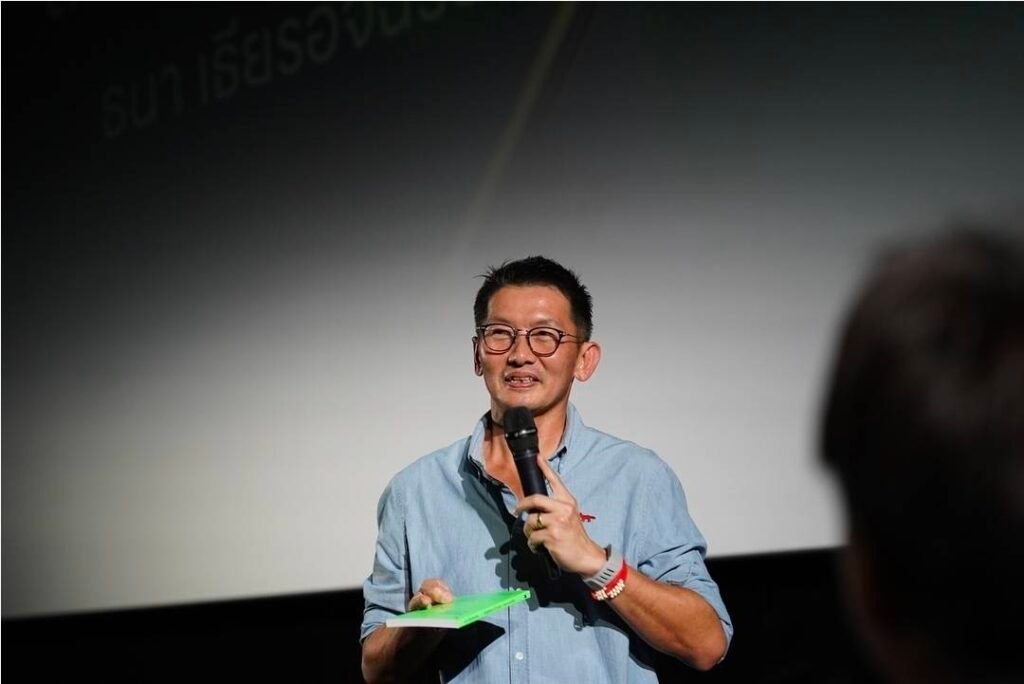
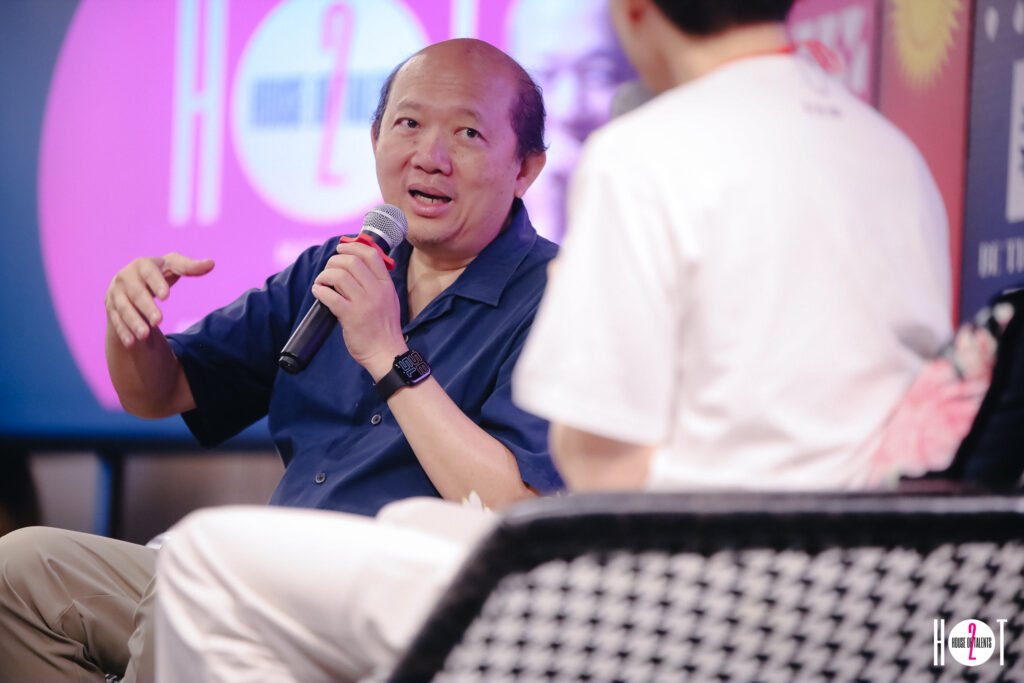
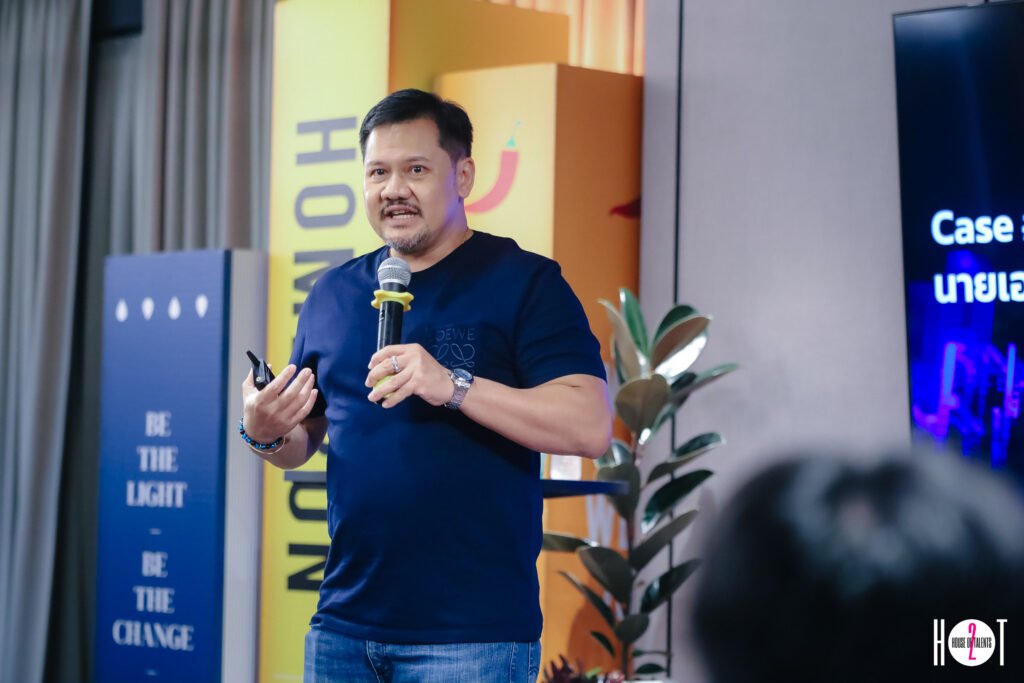
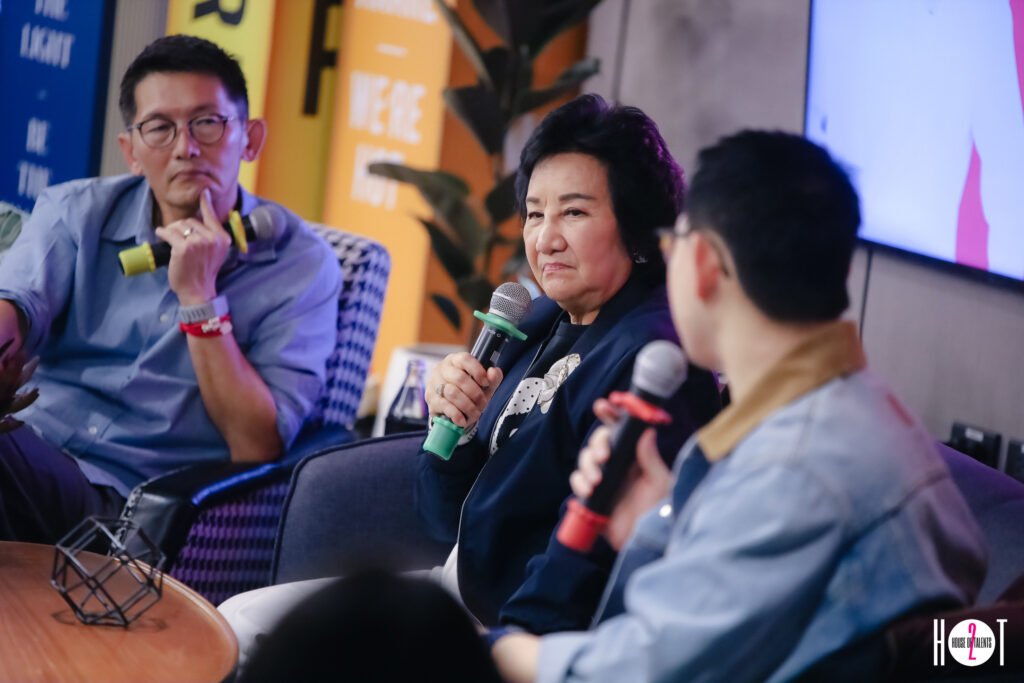
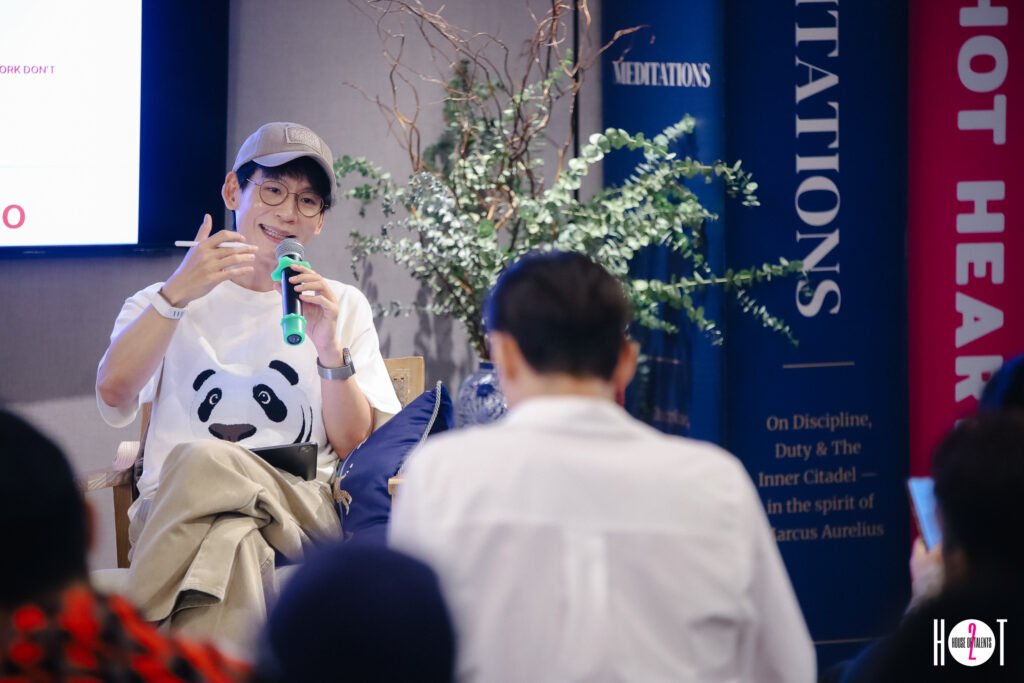
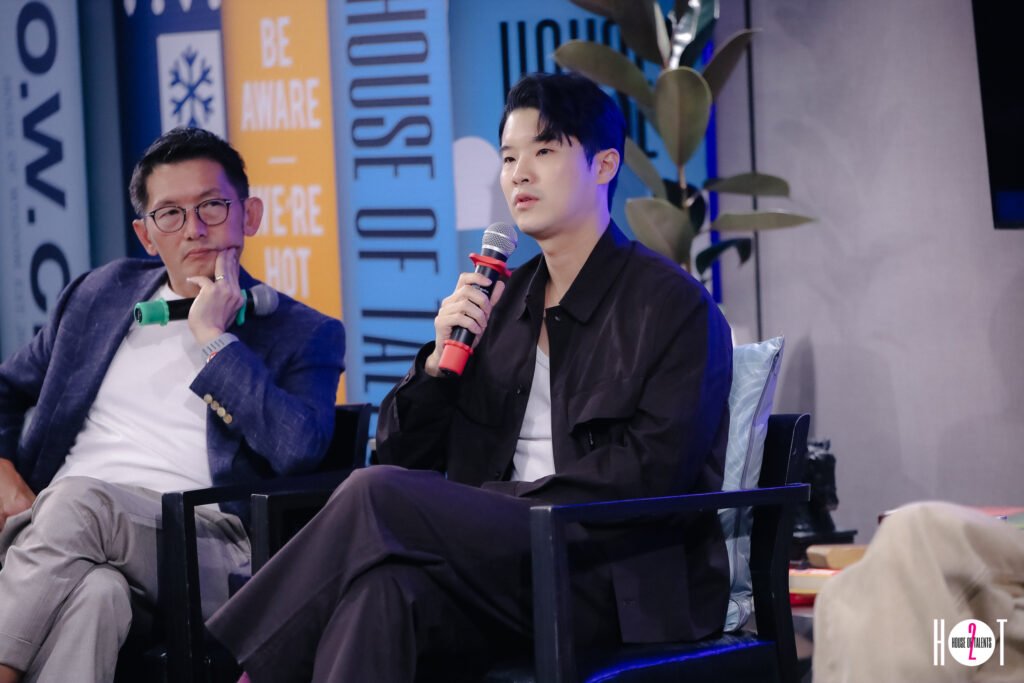
Fundraising 101: From Pitching to Term Sheet and Algorithmic Life Decision Making #P’Moo
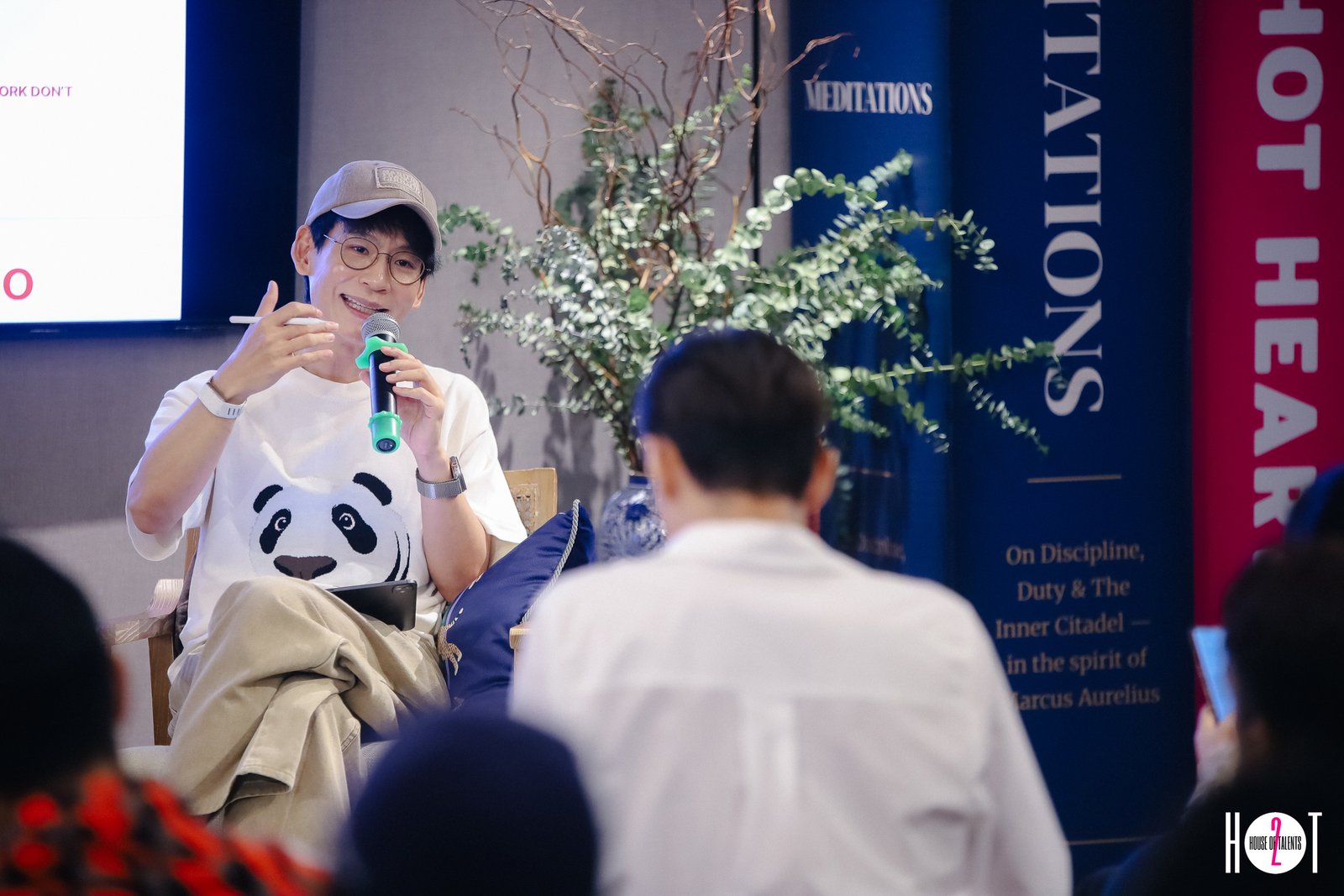
Summary of P'Moo's Session
P'Moo split the content into 2 big Parts. Part 1 spoke from the point of view of an Entrepreneur and Investor about doing business, fundraising, growth and Exit. Part 2 took investing ideas and applied them to "life" — especially how we allocate time and make decisions.
PART 1 — Business, Fundraising & Exit
1. Lessons from being both an Entrepreneur and an Investor
P'Moo shared that his path started as an Entrepreneur before he began Angel Investing in various businesses.
His early investing had a lot of mistakes — for example putting 3–5 million baht at a time into many companies until his money was almost gone, before putting his last chunk of money in as an LP in a 500 fund and learning much more about investing through funds.
The key thing he took from this experience:
the first rule of investing or doing business is "don't die".
Meaning: manage risk so you can stay in the game, because both building a business and investing take a long time to pay off.
P'Moo said his own journey from the start to managing several funds took more than 10 years — it didn't happen quickly.
2. Investing isn't only about the Business — you have to look at the "person"
From meeting and evaluating so many founders, P'Moo developed a way of assessing Founders with simple questions like:
If I were younger, would I want to work under this person?
And on the flip side:
Would I want this person working for me?
Beyond ability, there's also being Likeable — someone who can work and get along with others.
Because an investment doesn't happen in a single day. You have to ask whether the Founder you see today can grow into a different level of person 10 years from now — or not.
A Founder who is successful today may be very different from the person investors first met, because "time" is another key Factor in growth.
3. When you build a business, think about Exit
P'Moo suggested Entrepreneurs should think about being
Exit Ready
It doesn't mean everyone has to sell their company, but you should build the business so it's ready to Exit.
The reason is that we don't know what the future holds, for example:
- one day we may not want to run this business any more
- our children may not want to take over
- health or life may stop us from carrying on
- or one day someone may want to buy the business
If a business is too tied to its owner, it may be hard to sell or hand over, even if it's a good business.
So if you plan to build a business over 5–10 years, making it Exit Ready from the start does no harm. Whether you actually Exit can be decided later.
4. Fundraising isn't only about "needing money"
One of P'Moo's main ideas is that
Fundraising can be used to accelerate growth.
Capital lets a company buy time to expand — growing the team, entering new markets, or building certain capabilities faster than slowly growing with its own money.
But Fundraising is only useful when
the money coming in makes "the cake bigger".
Conceptually, an owner's stake might fall from 100% to 50%, but if the business grows in value from 100 to 1,000, the owner's share is worth more than before.
So the point isn't just "how much has my stake been diluted?" but "how much has the value of what I hold grown?"
That said, P'Moo stressed that money alone isn't enough — a business also needs Innovation, a Business Model or something that sets it apart.
5. Market Size matters for growth
P'Moo talked about sizing a market through
TAM → SAM → SOM
- TAM (Total Addressable Market) — the total market
- SAM (Serviceable Available Market) — the market within your target customer group
- SOM (Serviceable Obtainable Market) — the share of the market the business can realistically reach
The key point: even if a company is excellent, if the market is small, Growth is limited.
On the other hand, if the market is big enough, the "cake" can be shared among several players and the business still has room to grow.
So P'Moo sees Market Size as one of the key things Investors use to judge a company's growth potential.
6. Innovation doesn't just mean a new Product
In his slides P'Moo used the Framework 10 Types of Innovation which splits Innovation into 3 big groups:
Configuration
Profit Model / Network / Structure / Process
Offering
Product Performance / Product System
Experience
Service / Channel / Brand / Customer Engagement
So Innovation doesn't have to mean only creating a new Product — it can also come from the Business Model, Process, Network, Brand, Channel or Customer Experience.
7. Preparing a company for IPO
In his slides P'Moo summarised 5 areas a company needs to develop to get to IPO:
1. Growth Strategy
Make Market Positioning, Business Model and Competitive Advantage clear, to show the business can Scale.
2. Operational Efficiency
Improve Operations, cut inefficiencies, and develop Profitability Metrics.
3. Financial Reporting
Bring Financial Statements up to standard, with Internal Controls, ready for Audit.
4. Corporate Governance
Set up a Board of Directors and the necessary Committees, such as Audit and Compensation.
5. IPO Process & Legal Support
Choose the right Underwriter, work with Legal Advisors and prepare for Compliance with the SEC.
All of this is about transforming the company so it's ready to grow and enter the capital markets.
Q&A — PART 1
Question 1 — P'Pat
P'Pat's question was about Fundraising and changing Investors across Rounds — from Seed through Series A, B, C, D, E: when new Investors come in and earlier Investors may leave, what problems or effects can that cause?
P'Moo explained it in terms of how fundraising is structured and what each type of Investor is aiming for. Investors aren't all the same, and each stage of a company needs different Investors.
So you need to ask whether the Investors coming in at each stage can help the company with what it needs at that moment — capital, Network, or the ability to take the business to the next Stage.
Question 2 — Guy
P'Moo talked about Strategic Investors vs Financial Investors.
Strategic Investors can help a business grow through resources, Network or business capabilities — for example a large group that already has an Ecosystem.
Financial Investors focus on investing to grow the company's value and Exit in the future.
So when thinking about Fundraising, the question isn't just "who can give us money?" but also which Investor fits the company's Stage and direction — and who, in future, might be the buyer that values the business most highly.
PART 2 — Algorithmic Life Decision
In Part 2, P'Moo moved from investing in companies to investing the resources of your life.
The main idea: if finance can use Frameworks and Algorithms to help make decisions, we can think about life the same way.
1. Life has 5 Aspects
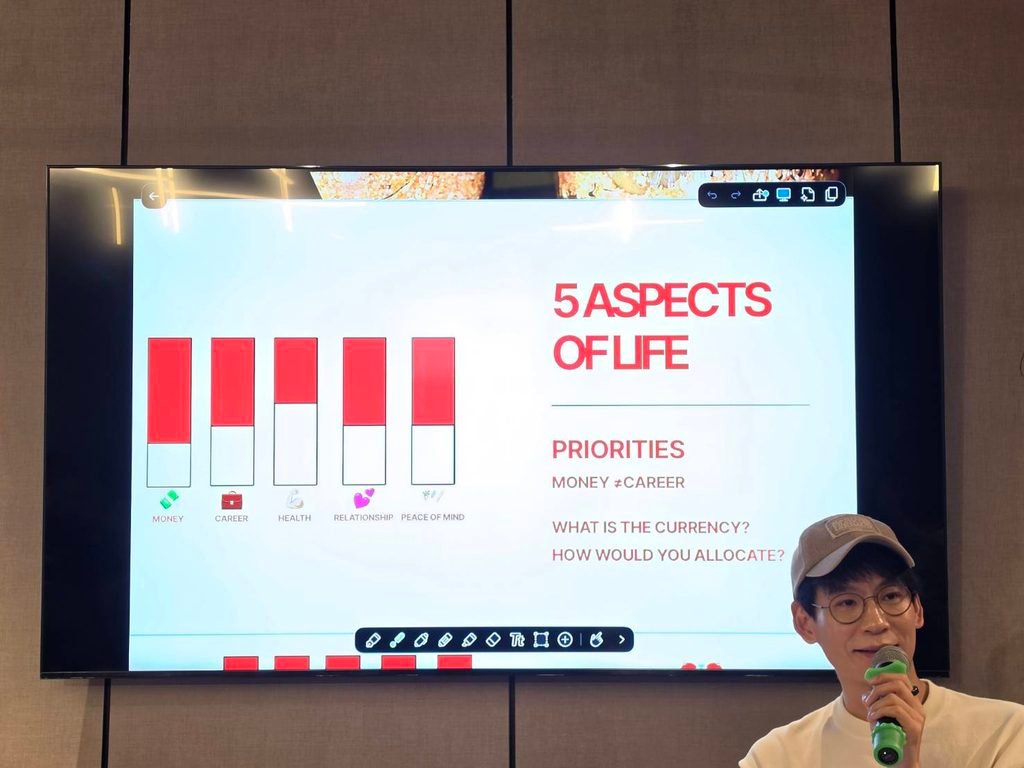
P'Moo divides life into 5 areas:
Money / Career / Health / Relationship / Peace of Mind
Everyone has different Priorities, so there's no single answer for how much to give each area.
The key questions are:
What is the currency?
How would you allocate?
If money has its own Currency, life has a Currency too — and that Currency is time.
2. Time = Currency
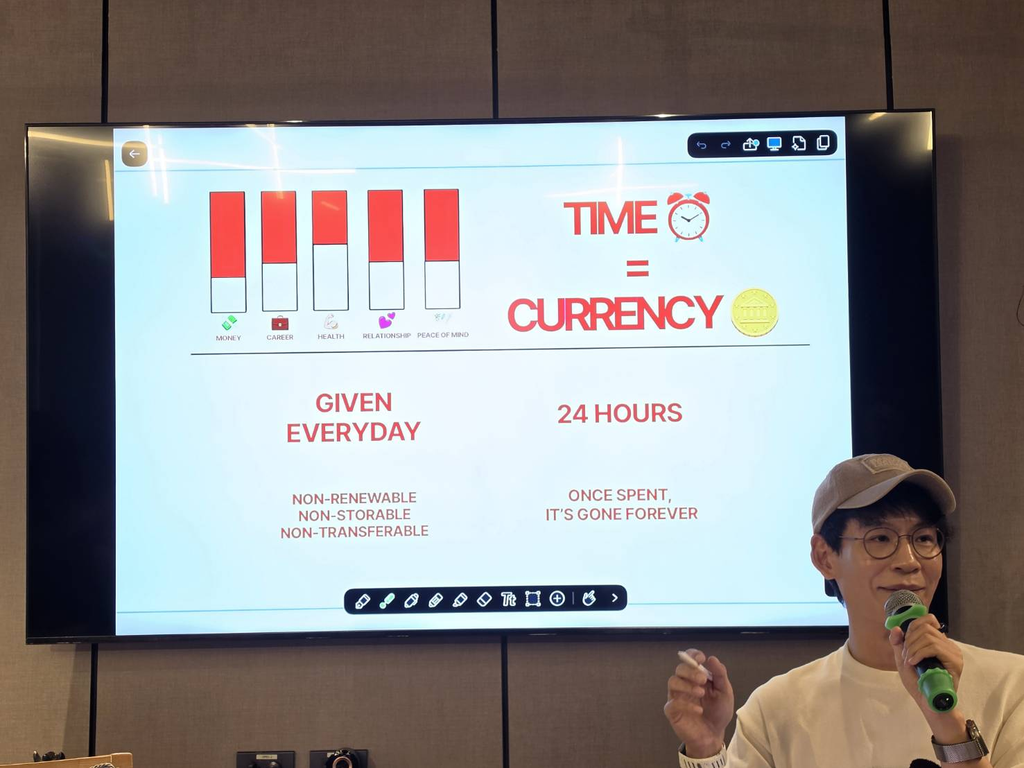
Everyone gets the same amount of time:
24 hours a day.
But time differs from money in that it
- can't be created,
- can't be saved,
- can't be transferred to someone else,
- and once it's spent, it's gone forever.
So the difference between people lies in how we Allocate the 24 hours we have.
P'Moo linked this back to managing a financial Portfolio — only what we're investing isn't money, it's time.
3. Big Rocks First
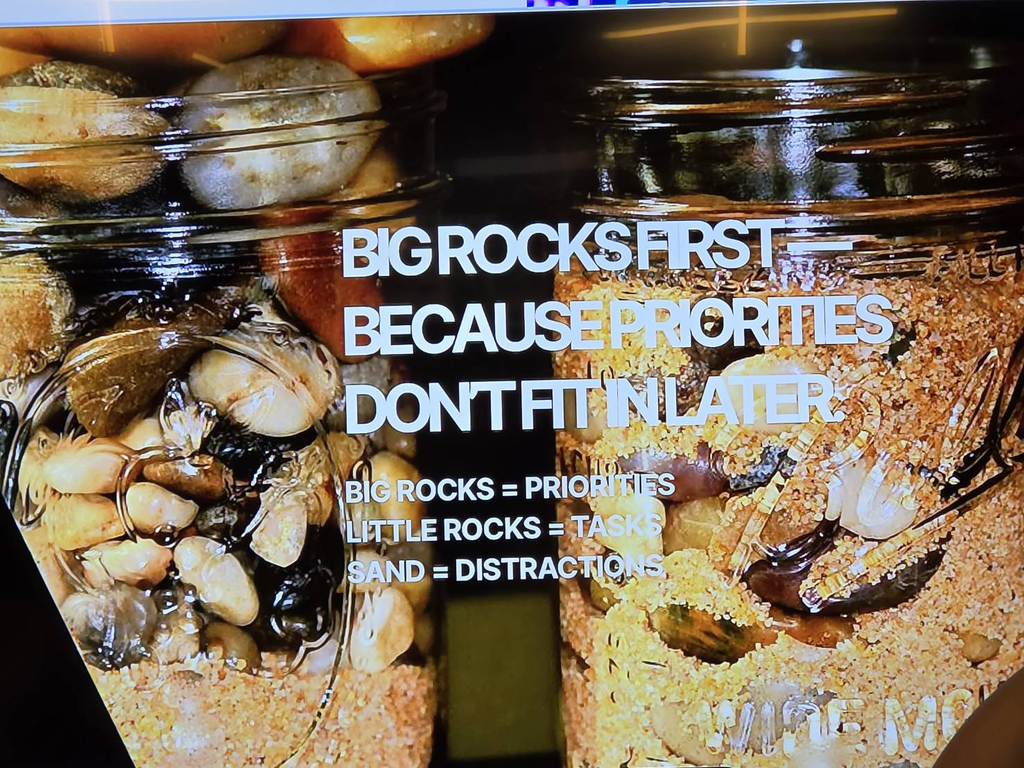
P'Moo used the picture of a jar containing
Big Rocks = Priorities
Little Rocks = Tasks
Sand = Distractions
The principle is:
Big Rocks First — because Priorities can't be added later.
If we fill the jar with Tasks and Distractions first, there may be no room left for what really matters.
So you need to know what the Big Rocks of your life are, and Allocate time to them first.
4. Every area of life needs a Minimum Level
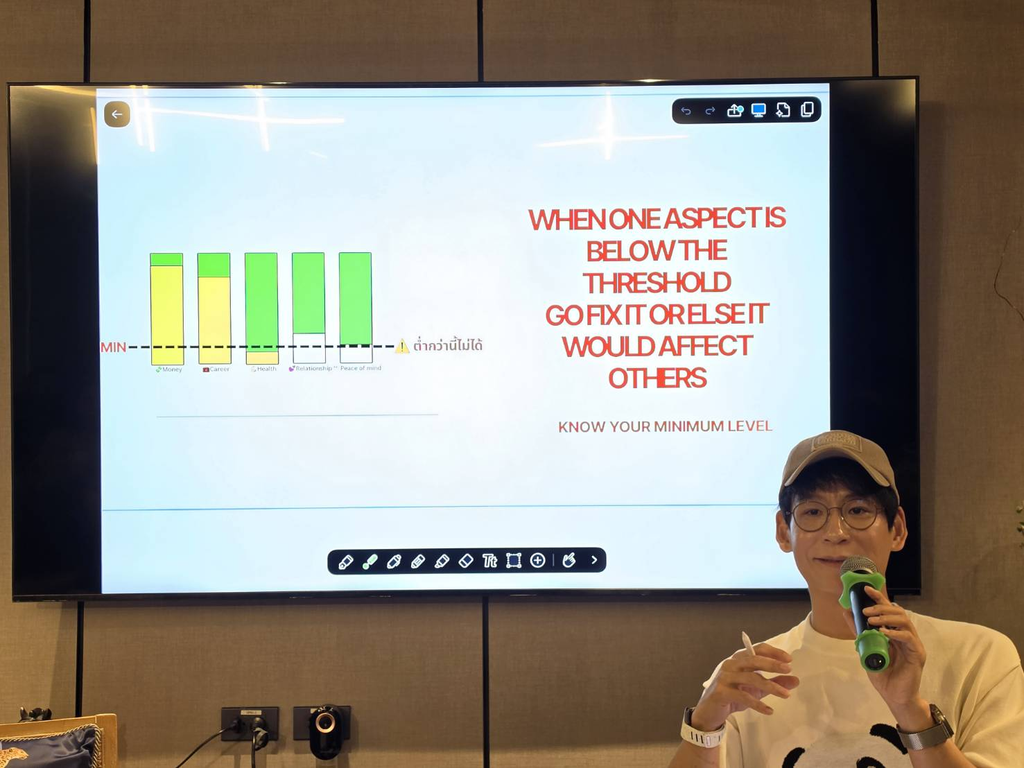
If any area drops below its Minimum level:
Even though each of us gives different Priority to each area, P'Moo suggests every area should have a Minimum Threshold
Go fix it or else it would affect others.
For example, even if your Career or Money is great, if your Health falls below an acceptable level it will start affecting other parts of your life.
So the goal isn't for every area to be the best — it's knowing where your own Minimum is, and not letting any area fall below it.
5. Maximums matter too — because of Diminishing Returns
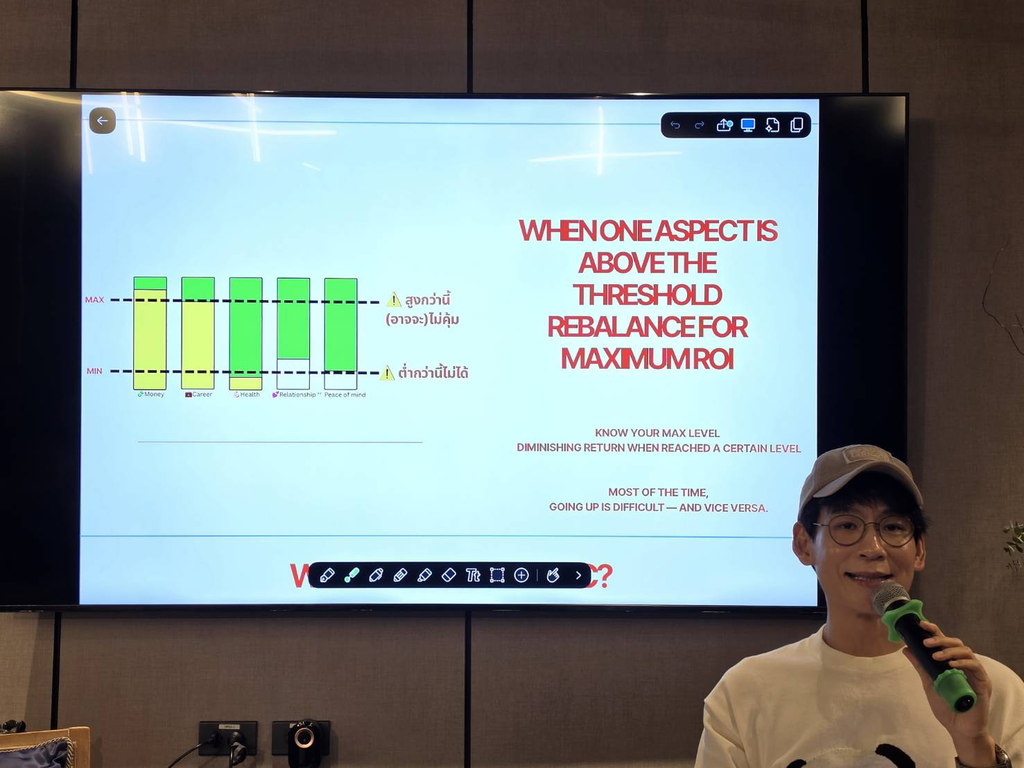
On the other hand, when we put too many resources into one area, the extra return may start to shrink.
P'Moo calls this
Diminishing Return
So you should know both your
Minimum Level — you can't go below this
and
Maximum / Threshold — beyond this point, the extra gain may not be worth the extra time
When one Aspect goes above its Threshold, you may need to Rebalance time towards other areas.
This is just like Rebalancing an investment Portfolio.
6. Algorithmic Thinking and life
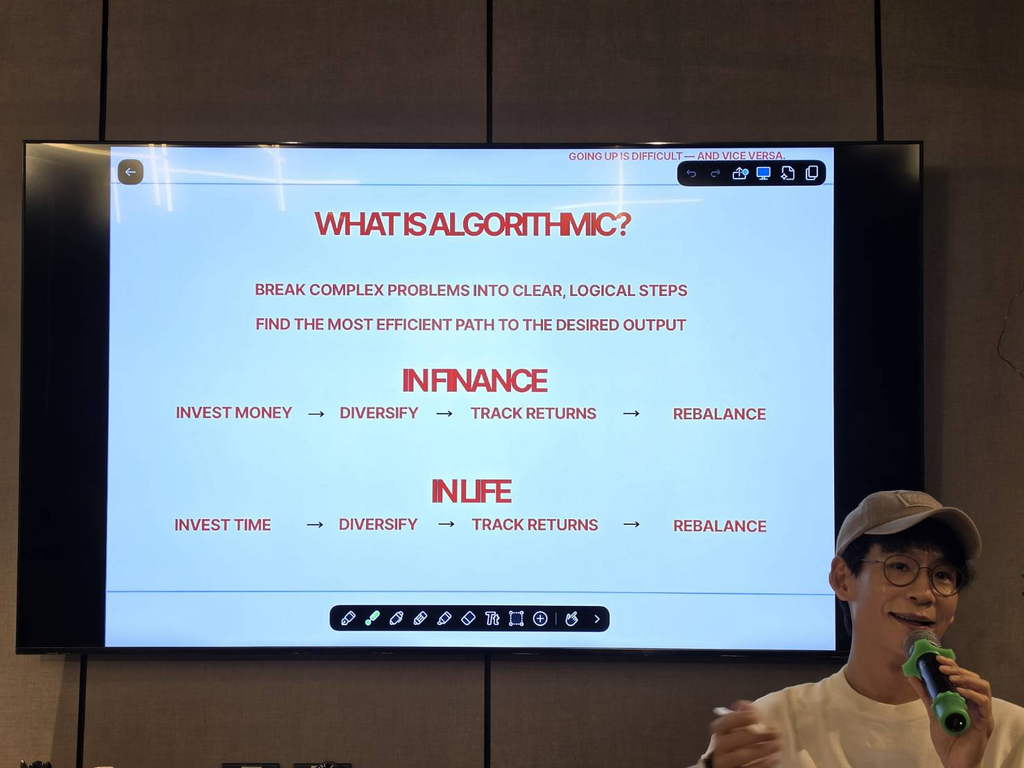
P'Moo defines Algorithmic Thinking as the ability to
break complex problems into clear, logical steps and find the most efficient path to the result you want.
In Finance:
Invest Money → Diversify → Track Returns → Rebalance
In Life:
Invest Time → Diversify → Track Returns → Rebalance
The difference is that Money is fairly Straightforward, with clear rules and numbers.
But things like Health, Relationships or Peace of Mind have no fixed Formula.
So each of us has to build our own Algorithm.
7. Write the Algorithm of your own life
The question P'Moo threw to everyone was:
“What is your Algorithm?”
One way is:
Write → Read / Follow → Keep upgrading your own rules
Set yourself some rules first, then adjust them based on real experience,
because your life's Algorithm doesn't have to be right on day one — it can be Updated all the time.
8. Journaling — a tool for looking back
P'Moo talked about keeping a Journal because
“You can’t connect the dots looking forward — only backward.”
Writing turns what are only feelings into words, and helps you see the Patterns and reasons behind past decisions more clearly.
So it's another way to learn and refine your own Algorithm.
9. P'Moo's Cheat Code
Towards the end, P'Moo summed up his own "Cheat Code" roughly like this:
Explore / Don’t Die
Try new things, but don't let yourself drop out of the game.
2 or 3 Aspects at the same time
You don't need to try to Maximize every area of life at once.
Always use money to buy more quality time whenever possible
If you can use money to buy more "quality time", trade money for time.
Be Present
Once you've chosen what to spend time on, really be there for it.
P'Moo's closing thoughts
The final slides carried an important idea:
while you have the chance and you're alive, make every day the best it can be.
The past can't be changed and the future can't be fully controlled. What you can control is how you live today.
Life has a basic set of choices:
Give up, Give in, or Give it all you’ve got.
And another line P'Moo borrowed:
Good, Better, Best. Never let it rest. Until your good is better and your better is best.
Which comes back to the idea that
"we are alive in order to live".
Time is a limited resource you can't get back. So living well isn't about Maximizing one area of life, but knowing what matters, keeping each area above its Minimum, and Rebalancing your time as your life changes.
Short Note by Palm Puwanai